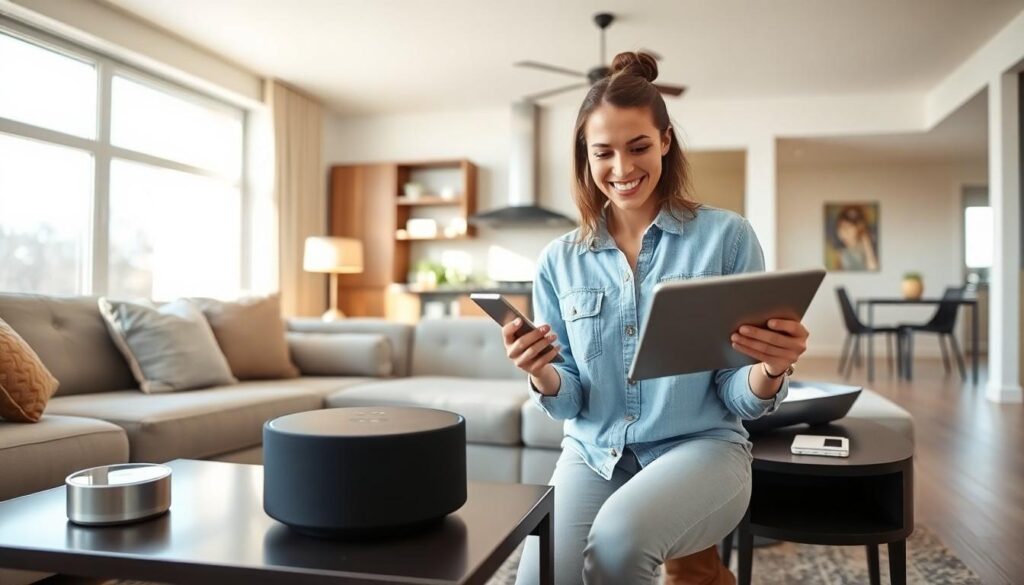
In today’s tech-savvy world, turning a large home into a smart haven shouldn’t feel like trying to solve a Rubik’s Cube blindfolded. With the right approach to smart home networking, even the most sprawling estates can be connected seamlessly. Imagine controlling your lights, thermostat, and security system with just a tap on your phone, all while avoiding that dreaded Wi-Fi dead zone in the basement.
Understanding Smart Home Networking
Smart home networking connects devices within a home, streamlining control and enhancing convenience. Reliable networking ensures homeowners manage various systems seamlessly.
Importance of Smart Home Networking
Smart home networking acts as the backbone of smart technology. It facilitates communication between smart devices, ensuring they work in harmony. Seamless connectivity enhances user experience, making it easier to access and control devices from anywhere. A well-structured network improves energy management, security monitoring, and automation. Proper planning aids in extending network coverage to every corner of a large home, eliminating dead zones.
Challenges in Large Homes
Large homes often face significant challenges regarding smart home networking. Wi-Fi coverage can become uneven due to distance and physical obstructions. Multiple floors, thick walls, and electronic interference can disrupt signals. Many devices require strong connections for optimal performance, making reliable networking essential. Finding the right equipment, such as mesh networks or extenders, addresses coverage issues effectively. Connecting numerous devices simultaneously can also stress the network, impacting speed and reliability.
Components of Smart Home Networking
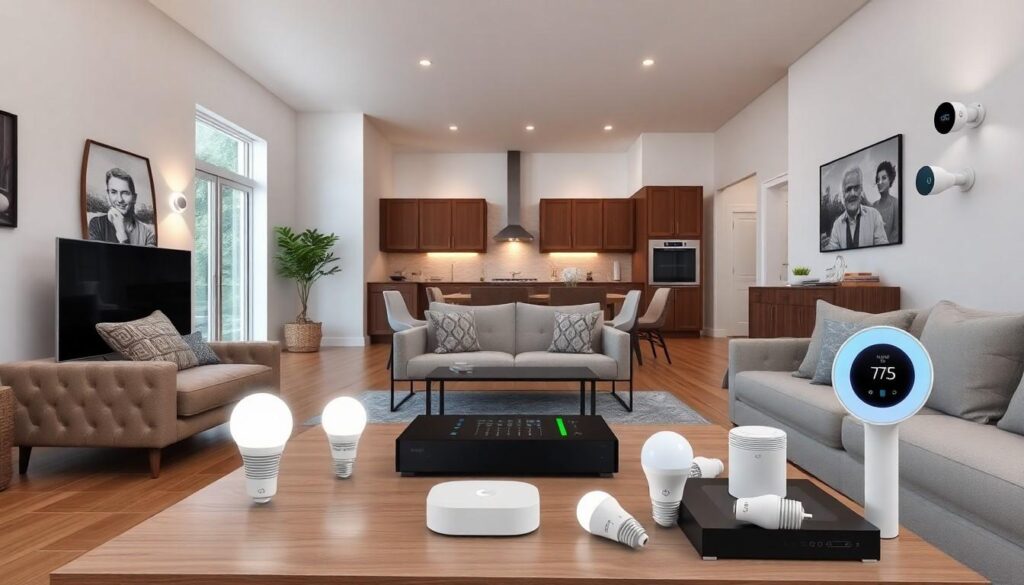
Smart home networking consists of several key components that enable efficient communication and control of devices throughout large homes. Understanding these elements simplifies the process of creating a seamless smart home ecosystem.
Essential Devices for Easy Networking
Smart hubs connect various devices, acting as the central controller for the home. Smart plugs allow users to manage appliances remotely. Security cameras enhance safety by providing real-time monitoring. Light bulbs with smart capabilities enable remote dimming and color changes. Smart thermostats ensure optimal temperature control and energy efficiency. Having an assortment of these devices contributes to a robust smart home network that’s easy to manage.
Role of Routers and Access Points
Routers direct internet traffic between devices and external networks. A high-performance router supports multiple connections simultaneously, crucial for large homes. Access points extend Wi-Fi coverage into previously unreachable areas. These devices eliminate dead zones and maintain strong signals for various smart appliances. Investing in quality routers and strategically placing access points enhances the overall smart home experience, ensuring that devices communicate seamlessly without interruption.
Setting Up Your Smart Home Network
Establishing a smart home network requires careful planning and consideration. Effective setup ensures reliable connections across large homes while optimizing device performance.
Planning Your Network Layout
Assess the layout of the home to identify key areas for coverage. Create a diagram showing where devices will be placed, including routers, hubs, and access points. Prioritize high-traffic areas such as living rooms and home offices. Incorporate potential obstacles like walls and furniture that may interfere with signals. Determine router placement to minimize distance to smart devices. Consider using mesh networks for seamless coverage across multiple rooms. A strategic layout enhances overall connectivity and performance while reducing Wi-Fi dead zones.
Best Practices for Installation
Follow manufacturer guidelines during installation to maximize device effectiveness. Begin with the main router and connect it directly to the internet service provider’s modem. Place the router in a centralized location for optimal signal distribution. Position access points at intervals to extend coverage evenly throughout the home. Secure device connections through encrypted networks to enhance security. Use Wi-Fi extenders if needed to reach distant areas. Regularly update device firmware to ensure peak performance and access the latest features.
Optimizing Network Performance
Optimizing network performance in a large smart home ensures all devices maintain strong connectivity. It involves boosting signal strength and effectively managing connected devices.
Boosting Signal Strength
Signal strength plays a critical role in reliable smart home connectivity. One effective method involves using mesh network systems, which consist of multiple nodes that spread coverage evenly throughout large spaces. Another option includes placing access points in high-traffic areas, ensuring strong signals reach all parts of the home. Obstructions such as walls and furniture can weaken signals, so positioning devices away from these barriers enhances performance. Some homeowners opt for high-gain antennas on routers, increasing signal range and capacity. Regularly checking for firmware updates also contributes to improved network reliability.
Managing Devices Effectively
Managing devices efficiently maximizes a smart home’s performance. Start by categorizing devices based on their usage and bandwidth requirements, ensuring high-demand devices connect to primary networks. Assigning static IP addresses to critical devices like security cameras prevents conflicts and enhances reliability. Using network monitoring tools allows quick identification of device performance issues, enabling swift troubleshooting. Setting up Quality of Service protocols prioritizes traffic for time-sensitive applications such as video streaming and gaming. Scheduling device updates during low-usage periods ensures minimal disruption while maintaining optimal performance.
Security Considerations
Smart home security is crucial in protecting personal data and devices. Establishing secure connections safeguards against unauthorized access and cyber threats.
Protecting Your Smart Home Network
Utilizing strong passwords significantly enhances network security. A unique password for the router should be created, consisting of at least 12 characters, combining letters, numbers, and symbols. Setting up a guest network for visitors prevents unauthorized access to the main network, adding an extra layer of protection. Enabling network encryption, typically WPA3, encrypts data sent over the network, securing sensitive information. Regularly monitoring device connectivity helps detect any unusual activities, allowing for prompt action on potential threats.
Keeping Devices Updated
Updating device firmware is vital for security. Regular updates address vulnerabilities and provide important enhancements, so homeowners should enable automatic updates whenever possible. Keeping operating systems current on smart devices reduces the likelihood of exploitation. Manufacturers often release patches for security flaws, and failing to apply these can leave systems at risk. Creating a calendar reminder for checking updates ensures that the network remains secure and functions optimally, enhancing the overall smart home experience.
Transforming a large home into a smart home requires thoughtful planning and the right networking solutions. By investing in quality equipment and strategically positioning devices, homeowners can eliminate dead zones and ensure seamless connectivity throughout their space. This not only enhances the user experience but also improves energy efficiency and security.
Maintaining a robust smart home network involves regular updates and monitoring to safeguard against potential threats. With the right strategies in place, managing multiple devices becomes effortless, allowing homeowners to enjoy the full benefits of a smart living environment. Embracing these practices leads to a more connected and efficient home, making everyday life simpler and more enjoyable.