In a world where technology reigns supreme, two titans are battling for the spotlight: Augmented Reality (AR) and Artificial Intelligence (AI). Picture this: AR is like that friend who spices up your life with cool filters and virtual experiences, while AI is the brainiac who knows your favorite pizza topping before you do. Together, they’re reshaping industries, enhancing our daily lives, and occasionally giving us a headache trying to keep up!
Overview of AR and AI
Augmented Reality (AR) overlays digital information onto the physical world, enhancing users’ real-life experiences. This technology engages individuals by adding interactive elements, such as filters and 3D models. Many industries, including gaming, education, and healthcare, utilize AR to create immersive environments that captivate users and promote learning.
Artificial Intelligence (AI) focuses on developing systems that can perform tasks typically requiring human intelligence. These tasks include problem-solving, learning, and understanding natural language. AI plays a crucial role in analyzing data to predict user preferences and personalize experiences. With applications in marketing, finance, and customer service, AI continuously shapes interactions in various sectors.
AR and AI together create powerful synergies that transform lifestyles and businesses. They complement each other by making digital experiences more personalized and engaging. For example, AR can utilize AI algorithms to deliver tailored content based on user behavior, resulting in a more relevant experience.
Users benefit from the combination of these technologies in numerous ways. Enhanced shopping experiences allow consumers to visualize products in their environment through AR, while AI analyzes consumer trends to suggest items they may prefer. Similarly, in education, AR provides interactive learning materials, and AI assesses students’ progress to offer customized feedback.
As both technologies continue evolving, their integration expands possibilities. Organizations increasingly harness AR and AI to innovate and adapt in a competitive landscape. The future promises more advancements, with these tools playing a significant role in shaping new experiences and improving efficiency across industries.
Key Differences Between AR and AI
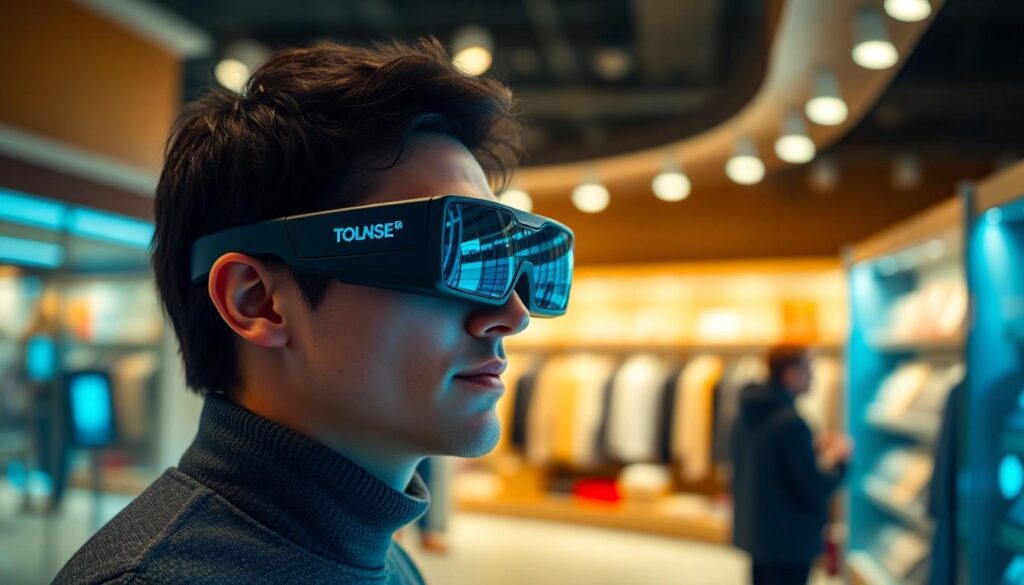
Understanding the distinctions between Augmented Reality (AR) and Artificial Intelligence (AI) clarifies their unique roles in technology.
Definition of Augmented Reality (AR)
Augmented Reality overlays digital content onto the real world. It enhances physical environments by adding graphics, sounds, and other sensory elements through devices such as smartphones or smart glasses. Industries like gaming, education, and retail utilize AR to create immersive experiences that engage users. For instance, AR can transform product displays in stores by allowing customers to visualize items in their actual environment. This interaction not only entertains but also informs, making the shopping process more effective.
Definition of Artificial Intelligence (AI)
Artificial Intelligence involves creating systems that simulate human intelligence. AI analyzes large datasets to recognize patterns and make predictions. Tasks supported by AI include problem-solving, language comprehension, and decision-making. It plays a vital role across various sectors, including finance, healthcare, and customer service, by personalizing experiences based on user data. For example, AI recommendations in streaming services adapt to individual preferences, enhancing user satisfaction and engagement.
Applications of AR vs AI
Augmented Reality and Artificial Intelligence serve distinct yet complementary roles across various sectors. Each technology boasts impactful applications, enhancing user interactions and business efficiencies.
Use Cases for Augmented Reality
AR transforms user experiences by blending digital content with the real world. Retailers utilize AR to allow customers to visualize products within their actual environments, enhancing decision-making. Educational institutions leverage AR for interactive learning, enabling students to explore complex concepts through immersive simulations. In healthcare, AR assists surgeons during operations by overlaying critical information, improving precision and outcomes. Gamers enjoy interactive experiences enriched by AR, making gameplay more engaging.
Use Cases for Artificial Intelligence
AI excels at analyzing data and automating decision-making processes. Businesses in finance adopt AI-driven analytics to detect patterns and forecast market trends, optimizing investment strategies. Customer service representatives employ AI chatbots, offering instant responses and enhancing user satisfaction. Personalization thrives in the entertainment industry, as streaming services rely on AI algorithms to recommend content tailored to individual tastes. In manufacturing, AI streamlines operations by predicting maintenance needs and improving supply chain efficiency.
Benefits and Challenges of AR and AI
Augmented Reality (AR) and Artificial Intelligence (AI) offer distinct benefits and challenges in the tech landscape.
Advantages of Augmented Reality
AR significantly enhances user engagement by merging digital content with the physical world. In retail, customers visualize products in real environments, making purchasing decisions easier. Education benefits as AR allows interactive learning experiences that simplify complex concepts. Healthcare professionals gain improved surgical precision through AR’s overlay of critical information during procedures. Gamers enjoy immersive experiences that elevate gameplay, making it far more enjoyable. The overall impact of AR fosters creativity and innovation while reshaping how users interact with both products and information.
Limitations of Artificial Intelligence
AI encounters several limitations, including data privacy concerns. Users often worry about how personal information is processed and stored. AI systems can also struggle with bias, reflecting existing societal prejudices present in training data. Additionally, understanding human emotions remains a challenge for AI, limiting its effectiveness in customer service and interpersonal interactions. Dependence on large datasets can restrict AI development, as smaller organizations may lack the resources to compete. Addressing these challenges is crucial for maximizing AI’s potential while ensuring ethical use.
Future Trends in AR and AI
Emerging trends in Augmented Reality (AR) and Artificial Intelligence (AI) continuously shape the technological landscape. Integration of AR with AI leads to enhanced user experiences, creating a seamless blend of the physical and digital worlds. For instance, healthcare systems increasingly utilize AI to analyze real-time patient data within AR environments, optimizing decision-making processes for medical professionals.
Adoption of AR in retail will continue to grow significantly. Retailers will increasingly employ AR applications to allow customers to try products virtually before purchasing, thereby improving satisfaction rates. AI algorithms will enhance these experiences by analyzing shopper behaviors and preferences, providing personalized recommendations that cater to individual needs.
In education, virtual classrooms leveraging AR and AI technologies will become more prevalent. Interactive simulations will help students grasp complex subjects more effectively. AI tools will assess individual learning patterns, adapting the educational material to fit personal progress.
Manufacturing trends also point towards greater collaboration between AR and AI. Predictive maintenance using AI will identify potential equipment failures. AR applications will then provide technicians with visual guidance on repair processes, increasing operational efficiency.
Gaming experiences are expected to evolve as well. Innovations in AR and AI will create richer, more immersive environments. Players will find customized game challenges based on their skills and preferences, enhancing overall engagement.
Finally, ethical considerations surrounding data privacy and bias in AI will prompt a push for responsible use of these technologies. Organizations developing AR and AI systems will prioritize transparency and accountability to maintain user trust. These future trends highlight the transformative potential of AR and AI across diverse industries while addressing key challenges head-on.
The ongoing evolution of AR and AI is reshaping the technological landscape in profound ways. Their combined capabilities are not only enhancing user experiences but also driving innovation across various sectors. As these technologies continue to advance, the potential for more immersive and personalized interactions will only grow.
Addressing the challenges associated with AI and ensuring ethical practices will be crucial for maximizing its benefits. The integration of AR and AI promises to revolutionize industries like healthcare and retail, making experiences more engaging and effective. As they evolve together, users can anticipate a future where technology seamlessly blends with everyday life, offering unprecedented opportunities for creativity and efficiency.