Augmented reality projects are shaking up the tech world, and if you’re not paying attention, you might just miss the next big thing. Imagine blending the digital and physical realms so seamlessly that your coffee mug could start giving you motivational quotes. Sounds wild, right? But that’s the beauty of AR—it’s not just for gamers anymore; it’s transforming industries from education to retail.
Overview of AR Projects
AR projects demonstrate innovative applications across various sectors. Education benefits from interactive lessons that engage students through layered information. Retail utilizes AR to enhance shopping experiences, allowing consumers to visualize products in real time. Healthcare finds value in AR for surgical simulations, improving the training of medical professionals.
Developers create AR projects by integrating digital elements into real-world environments. Companies such as IKEA and Sephora provide AR apps that let users visualize furniture or makeup before making purchases. These projects aim to improve consumer confidence and satisfaction.
Gaming remains a popular domain for AR projects, with examples like Pokémon GO encouraging outdoor activity while merging the digital with the physical. Real estate also uses AR for virtual property tours, helping clients visualize spaces without being physically present.
Collaborative AR tools enable teams to work together remotely, enhancing productivity and communication. Projects in this area range from virtual whiteboards to immersive meeting environments, all aimed at fostering cooperation regardless of location.
Analytics show that AR’s market potential could reach $198 billion by 2025, reflecting its growing importance across industries. As AR technology advances, projects continue to evolve, yielding even more creative uses and benefits. Organizations investing in AR stand to gain a competitive edge through enhanced engagement strategies and improved user experiences.
Types of AR Projects
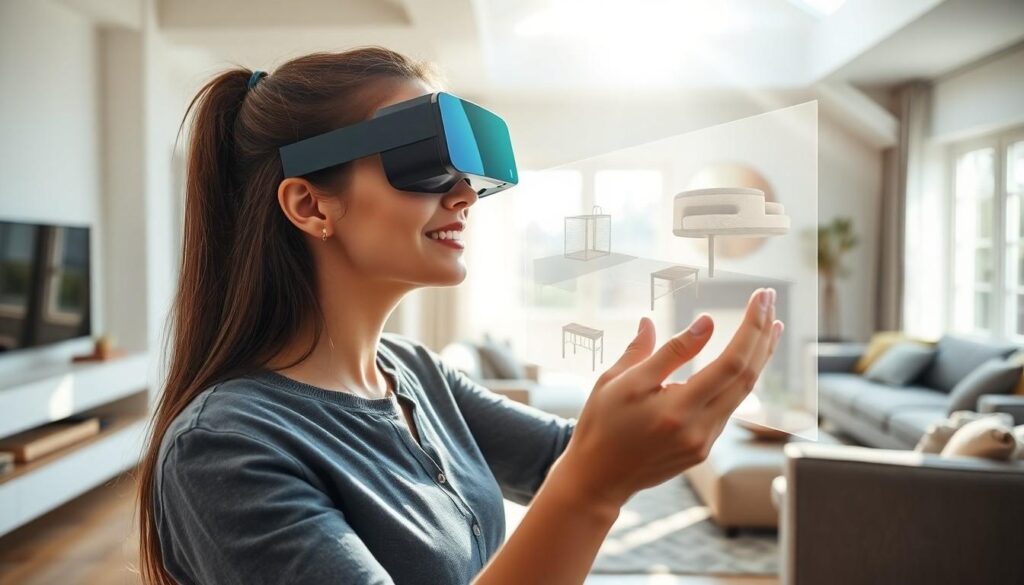
AR projects span numerous industries, showcasing versatility and innovative solutions. Three prominent categories highlight the technology’s impact: mobile applications, gaming, and education.
Mobile AR Applications
Mobile AR applications enhance daily activities by integrating digital elements into the real world. Users can visualize products, try on virtual accessories, and navigate through their environment. Brands like IKEA and Sephora lead the way, allowing customers to see how furniture fits in their homes or how makeup looks on their skin. This real-time interaction increases consumer confidence and boosts sales, reflecting mobile AR’s pivotal role in retail.
AR in Gaming
The gaming sector embraces AR, captivating players with immersive experiences. Pokémon GO stands out, encouraging outdoor exploration while engaging users with gameplay. Other AR titles similarly blend reality with virtual elements, creating interactive worlds. Developers continuously innovate, introducing new gameplay features that attract a diverse audience. The appeal of AR gaming extends beyond casual players, fostering community engagement and social interaction.
AR for Education
In education, AR transforms traditional learning methods. Interactive lessons capture student attention and promote deeper understanding. Layered content enriches subjects, allowing learners to visualize complex concepts. Applications such as Google Expeditions provide virtual field trips, enhancing students’ experiences and broadening their horizons. Teachers benefit from AR tools, which foster engagement and collaboration in the classroom.
Key Technologies Behind AR Projects
AR projects rely on various technologies that enable seamless integration of digital and physical environments. Enhanced hardware and robust software development kits (SDKs) play crucial roles in this process.
AR Hardware
Devices equipped with specific AR hardware empower users to interact with the digital space. Smartphones and tablets, for instance, utilize advanced cameras and sensors to overlay virtual elements onto real-world views. Smart glasses, such as Microsoft HoloLens, encourage hands-free experiences, allowing users to engage in mixed reality tasks. Such hardware advancements contribute to the successful implementation of AR in various sectors, enhancing user experiences dramatically.
Software Development Kits (SDKs)
SDKs provide essential tools for developers to create AR applications. Popular SDKs, like ARKit and ARCore, simplify the development process by offering functionalities such as image recognition and motion tracking. These resources allow developers to focus on crafting immersive content without delving deep into complex coding. Utilizing well-established SDKs accelerates the development timeline and ensures compatibility across multiple devices, fostering widespread adoption in AR projects.
Challenges in AR Project Implementation
Implementing augmented reality projects faces several significant challenges that can hinder success in various industries.
Technical Limitations
Technical limitations affect the functionality of AR applications. Insufficient processing power in devices can lead to lag or poor performance. In addition, battery life presents a challenge, especially during extended use. Developers must ensure compatibility across multiple devices, which complicates the development process. Moreover, limitations in sensor technology can restrict the accuracy of digital overlays. Such constraints impact user experience and may deter potential adopters.
User Adoption Barriers
User adoption barriers significantly hinder the widespread use of AR technology. Many individuals lack familiarity with AR features and may struggle to understand their benefits. Concerns regarding privacy and data security further diminish user confidence, particularly in sensitive applications like healthcare. Additionally, the cost of AR devices can impede access, especially in lower-income regions. Social influences and resistance to change can also create hesitation among potential users. Addressing these barriers is crucial for fostering a more accepting environment for AR technology.
Future Trends in AR Projects
Emerging trends in AR projects reveal a dynamic landscape poised for rapid development. Enhanced interactivity characterizes future applications, ushering in experiences that go beyond simple visual overlays. Developers will focus on creating immersive environments that adapt based on user behavior and preferences.
Integration with artificial intelligence will elevate personalization, allowing AR applications to offer tailored experiences that resonate with individual users. For instance, smart retail applications could analyze customer behavior and suggest products in real time, enhancing the shopping experience substantially.
Expansion into new sectors continues as organizations explore unique AR applications. Industries like tourism might use AR to provide historical context at landmarks, enriching visitors’ experiences. Meanwhile, event planning could benefit from virtual overlays that visualize setups before actual implementation, improving efficiency significantly.
Collaboration between AR and the Internet of Things (IoT) will likely grow stronger. AR equipped devices can leverage data from IoT sensors, improving tasks such as maintenance in various sectors including manufacturing and logistics. This integration can lead to more proactive management of resources, enhancing productivity and cost-efficiency.
Advancements in hardware, particularly lightweight and cost-effective AR glasses, will improve accessibility. As companies innovate, the market could witness affordable solutions making AR technology available to larger audiences. Wider adoption hinges on overcoming barriers previously noted in user acceptance and device costs, creating a more inclusive environment for AR experiences.
Finally, a focus on user-friendly design will take precedence. Simplifying interfaces and optimizing performance ensures that AR applications appeal to both tech-savvy users and those new to the technology. As AR projects evolve, these trends could transform many industries, enabling exciting possibilities for future development.
The future of augmented reality projects looks promising as they continue to redefine how industries operate. With advancements in technology and a growing understanding of user needs AR is set to enhance experiences across education retail healthcare and more. The potential for AR to foster interactivity and personalization opens doors to innovative applications that can engage users like never before.
As challenges are addressed and new trends emerge AR’s integration into everyday life will likely become more seamless. This evolution not only boosts efficiency but also enriches the way people connect with their environments. Companies that embrace these changes will find themselves at the forefront of a transformative wave that’s reshaping various sectors. The journey of AR is just beginning and its impact will be felt far and wide.